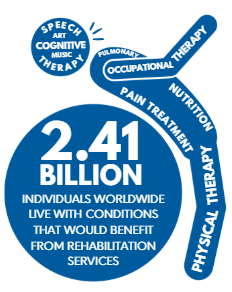
Physical therapy plays a crucial role in maintaining and restoring health, especially when the body is affected by injury, illness, or aging. It’s a core part of rehabilitation and overall wellness, not just something people use after surgery.
Why Physical Therapy Is Important
 Restores movement and function
After injuries like fractures, sprains, or surgeries, the body often loses strength and flexibility. Physical therapy uses targeted exercises to rebuild mobility and help you return to normal activities safely.
Reduces pain without heavy medication
Therapists use techniques such as stretching, strengthening, manual therapy, and modalities (like heat or ultrasound) to relieve pain. This can reduce reliance on medications, especially opioids.
Prevents future injuries
By improving posture, balance, and muscle strength, physical therapy helps correct underlying issues that might lead to repeated injuries.
Supports recovery from major conditions
It’s essential in managing and recovering from conditions like stroke, heart disease, arthritis, and neurological disorders. For example, after a stroke, therapy helps retrain the brain and body to work together again.
Improves balance and reduces fall risk
This is especially important for older adults. Therapy programs strengthen muscles and improve coordination, reducing the chance of serious falls.
Enhances overall quality of life
Whether someone is an athlete recovering from injury or an older adult trying to stay independent, physical therapy helps people stay active and maintain daily function.
Big Picture
Physical therapy isn’t just about recovery—it’s also about prevention and long-term health. It empowers people to understand their bodies, move better, and stay active throughout life.
Dealing with chronic pain?
Physical therapy is one of the most effective, evidence-based approaches for managing chronic pain—especially when the pain lasts longer than 3 months or is linked to conditions like fibromyalgia, osteoarthritis, or chronic low back pain.
Instead of just masking symptoms, it focuses on improving how your body moves and functions over time.
How Physical Therapy Helps Chronic Pain
Rewires pain responses
Chronic pain often involves the nervous system becoming overly sensitive (a concept known as central sensitization). Physical therapy uses gradual movement and exposure to help “reset” how the brain interprets pain signals.
Improves strength and mobility
Weak or stiff muscles can make pain worse. A therapist designs exercises to strengthen supporting muscles, increase flexibility, and restore joint movement. This reduces strain on painful areas.
Breaks the pain–inactivity cycle
Pain can lead to avoiding movement, which causes further weakness and more pain. Physical therapy introduces safe, controlled activity to rebuild confidence and function.
Teaches pain management skills
You’ll learn strategies like posture correction, body mechanics (how you move daily), stretching routines, and pacing activities to avoid flare-ups. These tools help you stay in control outside of therapy sessions.
Reduces reliance on medication
By addressing the root causes of pain, many people can decrease their use of pain medications over time.
Common Techniques Used
- Therapeutic exercise (strength, flexibility, endurance)
- Manual therapy (hands-on joint and muscle work)
- Neuromuscular re-education (improving movement patterns)
- Modalities (heat, ice, electrical stimulation)
- Mind-body approaches (breathing, relaxation training)
What Makes It Different for Chronic Pain
Unlike treatment for acute injuries, chronic pain therapy starts slow and gradual, focuses on consistency over intensity, addresses both physical and neurological factors, and often includes education about how pain works.
Realistic Expectations
Physical therapy doesn’t usually “cure” chronic pain overnight, but it can reduce pain levels, improve daily function, increase independence, and help you return to activities you enjoy.
Recovering from post-surgery?
Physical therapy is a key part of post-surgery recovery, helping your body heal properly while restoring strength, movement, and function. Without it, recovery is often slower, stiffness can set in, and the risk of complications increases.
Why Physical Therapy Matters After Surgery
Restores mobility and flexibility
After surgery—especially orthopedic procedures like joint repairs—tissues can become stiff. Therapy helps you safely regain range of motion without damaging healing structures.
Rebuilds strength
Muscles weaken quickly after surgery due to inactivity. Guided exercises gradually rebuild strength so the affected area can support normal movement again.
Prevents complications
Physical therapy helps reduce risks such as blood clots (through movement and circulation), scar tissue buildup (which can limit motion), joint stiffness, and long-term disability
Speeds up recovery
Structured rehab programs help you return to daily activities—and sometimes sports or work—more efficiently than resting alone.
Reduces pain safely
Techniques like controlled movement, stretching, and manual therapy can ease pain without over-reliance on medications.
Common Surgeries That Benefit from Physical Therapy
- Joint replacements (e.g., knee, hip, shoulder)
- Ligament repairs (like ACL surgery)
- Spinal surgeries
- Fracture repairs
- Rotator cuff surgery
What a Typical Rehab Program Looks Like
Early Stage (Days to Weeks)
- Gentle movements to prevent stiffness
- Pain and swelling control
- Basic mobility (walking, getting in/out of bed)
Middle Stage (Weeks to Months)
- Increasing range of motion
- Light strengthening exercises
- Improving balance and coordination
Late Stage (Months+)
- Advanced strength training
- Functional movements (stairs, lifting, sports-specific tasks)
- Return to normal activities
Techniques Used
- Range-of-motion exercises
- Strength training
- Manual therapy (hands-on techniques)
- Gait training (learning to walk properly again)
- Modalities (ice, heat, electrical stimulation)
Important Tips for Success
- Follow your therapist’s plan consistently
- Don’t rush—healing takes time
- Communicate pain or concerns early
- Stay active within recommended limits
Big Picture
Post-surgical physical therapy isn’t just about healing—it’s about healing correctly. It ensures that the repaired area regains proper function so you can return to your normal life safely and confidently.
Boulder City Hospital provides physical, occupational, and speech therapies in a clean, safe, and convenient location. Offering outpatient physical, occupational, and speech therapies as well as inpatient skilled nursing rehabilitation, our Rehabilitation Services can be reached directly at (702) 698-8333.