
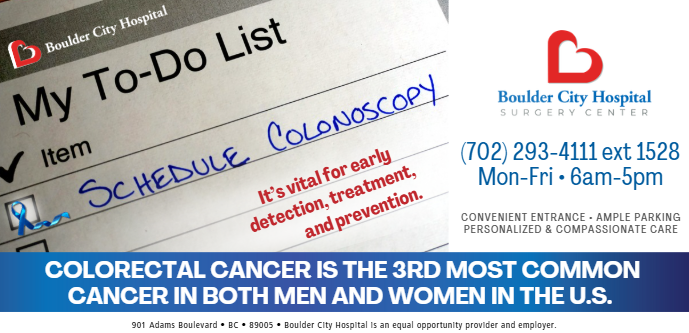
Colorectal cancer is the 3rd most common cancer (excluding skin cancer) in men and women and the 2nd or 3rd leading cause of cancer-related deaths in the United States. According to the Centers for Disease Control and Prevention (CDC), 7 in 10 adults in the U.S. aged 50 to 75 are up-to-date with colorectal cancer screening; however, in 2021, the CDC lowered the recommended age for colorectal cancer screening for adults to begin at age 45.
The Stats
- Approximately 20% of U.S. adults aged 45 to 75 have never been screened for colorectal cancer.
- More than 150,000 new cases of colorectal cancer occur each year.
- American Cancer Society reports, “People born in 1990 have double the risk of colon cancer and quadruple the risk of rectal cancer compared to people born around 1950.”
- Colorectal cancer has been linked to inflammatory bowel disease, Crohn’s disease and ulcerative colitis as well as cigarette smoking, heavy alcohol consumption, a lack of exercise, and a high-fat/low-fiber diet.
Colorectal cancer, or cancer that develops in the colon and or rectum, is a disease in which abnormal cells in the colon or rectum divide uncontrollably, ultimately forming a malignant tumor. What may begin as a lesion on the tissue that lines the inner surface of the colon or rectum, lesions may appear as raised or slightly indented polyps and may be attached to a stalk (pedunculated polyps) or without a stalk (sessile polyps). These polyps are common in people older than 50 years of age, and most do not become cancer. It’s important that adults 45 years and older speak with their healthcare provider about colon health and the screenings available which may include a colonoscopy. Visit the American Cancer Society’s website cancer.org. for more information on colorectal cancer.
The Mayo Clinic defines a colonoscopy as an exam used to look for changes – such as swollen, irritated tissues, polyps, or cancer – in the large intestine and rectum. During a colonoscopy, a long, flexible tube (colonoscope) is inserted into the rectum. A tiny video camera at the tip of the tube allows the doctor to view the inside of the entire colon. If necessary, polyps or other types of abnormal tissue can be removed through the scope during a colonoscopy. Tissue samples (biopsies) can be taken during a colonoscopy as well.
According to the CDC, once you reach age 45, or earlier if you have a family history of colon health risk, your healthcare provider will determine which screening test is best for you. Many factors are considered before choosing a colorectal screening test, including age, medical and family history, and general health; test preparation; sedation; follow up care; convenience; and cost and insurance coverage.
Colorectal Cancer Screening Tests
- Fecal occult blood test
- Sigmoidoscopy
- Colonoscopy
- Virtual colonoscopy
- DNA stool test
What You Can Do to Stay Healthy at Any Age
- Discuss a colorectal cancer screening with your healthcare provider.
- Notify your healthcare provider of any changes in stools or bowel movements (rectal bleeding, black or dark stools, diarrhea, constipation) or if you have a family history of colon health risk.
- If you smoke, quit.
- Drink responsibly.
- Exercise.
- Lose weight.
- Consume adequate fiber.
Take care of your gut. Talk to your healthcare provider about colorectal cancer.
Colorectal Cancer and the Importance of Screenings
Colorectal cancer is a type of cancer that starts in the colon (large intestine) or the rectum (the final part of the digestive tract). These cancers are often grouped together because they share many features.
How it develops
Most colorectal cancers begin as small, noncancerous growths called polyps on the inner lining of the colon or rectum. Over time, some of these polyps can turn into cancer.
Common symptoms
Early stages may not cause symptoms, but as it progresses, you might notice:
- Changes in bowel habits (diarrhea, constipation, or narrowing of stool)
- Blood in the stool (bright red or very dark)
- Persistent abdominal discomfort (cramps, gas, pain)
- Feeling that the bowel doesn’t empty completely
- Weakness or fatigue
- Unexplained weight loss
Risk factors
Factors that can increase risk include:
• Age (more common after 45)
• Family history of colorectal cancer or polyps
• Diet high in red or processed meats
• Smoking and heavy alcohol use
• Obesity and lack of physical activity
• Certain conditions like inflammatory bowel disease
Screening and prevention
Colorectal cancer is highly preventable and treatable when caught early. Screening tests can find precancerous polyps or early cancer:
• Colonoscopy (most common and effective)
• Stool-based tests
Doctors often recommend starting regular screening around age 45 (earlier if you have higher risk).
Treatment
Treatment depends on the stage and may include:
- Surgery (to remove the tumor)
- Chemotherapy
- Radiation therapy (more common for rectal cancer)
- Targeted or immunotherapy in some cases
Screenings
Screening for Colorectal cancer is designed to either detect cancer early or find and remove precancerous polyps before they turn into cancer. There are two main categories: stool-based tests and visual exams of the colon. Colorectal cancer screenings are important because they can prevent cancer, catch it early, and save lives.
They can prevent cancer altogether
Most colorectal cancers start as small growths called polyps in the colon or rectum. Screening tests—like a colonoscopy—can find and remove these polyps before they turn into cancer. That makes screening unique compared to many other cancer tests.
Early detection = much higher survival
When colorectal cancer is found early (before symptoms appear), it’s often highly treatable.
- Early-stage survival rates are very high (around 90%)
- Late-stage cancer is much harder to treat
Screening helps catch the disease before you would even notice anything is wrong.
Symptoms often appear too late
Colorectal cancer can develop without noticeable symptoms for years. By the time signs like bleeding, pain, or weight loss show up, the disease may already be advanced.
It reduces overall deaths
Regular screening has been shown to significantly lower death rates from colorectal cancer, both by preventing it and detecting it early.
It’s recommended for most adults
Guidelines generally suggest starting screening around age 45 (earlier if you have risk factors like family history, certain conditions, or genetic syndromes).
Common screening options
- Colonoscopy (every 10 years if normal)
- Stool-based tests (yearly or every few years)
- CT colonography (virtual colonoscopy)
Visit your healthcare provider to determine which screening option is best suited for your age and family and medical history.
Contact us today. Scheduling an appointment with a primary care provider is easy.
- Call 702-698-8342
- Schedule an Appointment
- Scan the code: